

We have taken the first exciting steps in our journey with the National Education Nature Park, as a group of our pupils headed outdoors to explore the natural world right here at Windy Nook Primary School!
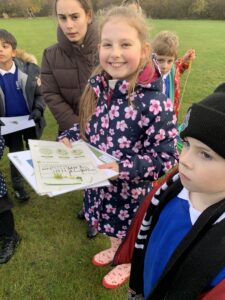
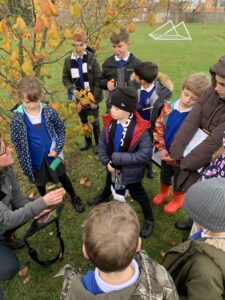
We were delighted to welcome Jane Pollinger from the National Education Nature Park, who introduced the children to the programme and explained how they can help us discover, understand and improve the biodiversity of our school grounds. Our group included some of our Eco Councillors and pupils with a real passion for science and the environment. Together, they began exploring different areas of our school grounds, collecting important information to help us build a picture of the habitats we have around us.
🌱 What did we get up to?
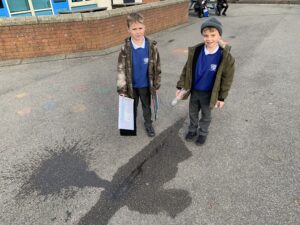
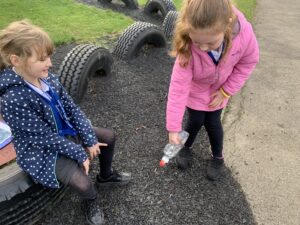
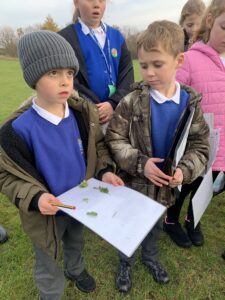
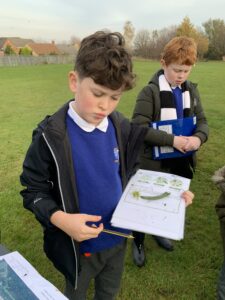
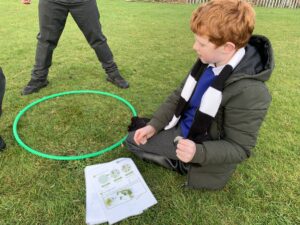
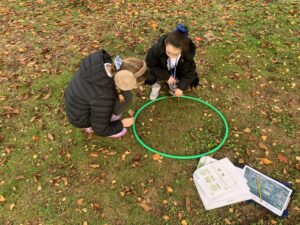
The children began investigating our school grounds by carrying out a grassland survey on the field and exploring how permeable different surfaces are in our yard. These activities helped them think like real scientists, observing their surroundings, asking questions and gathering data about our environment.
We also used the iNaturalist app to photograph some of the fungi we spotted. The children were fascinated to discover how technology can help us identify different species and learn more about the wildlife living right on our doorstep!
🌍 What happens next?
This is just the beginning! We are hoping Jane will return later this month so that the children can continue their habitat mapping and upload their findings onto Windy Nook’s digital map on the National Education Nature Park website.
This work will help us understand our school grounds in greater detail and identify opportunities to make them even better for nature and wildlife in the future. Opportunities like this allow our pupils to become active scientists and environmentalists, making a real difference to their own school community.
A huge thank you to Jane for helping us get started. We cannot wait to see what else we discover! 🌿
- Article 12 – Respect for children’s views: Our pupils are encouraged to share their ideas, ask questions and contribute to decisions about how we can improve our school grounds.
- Article 24 – Health, water and a clean environment: By exploring habitats and biodiversity, children are developing an understanding of the importance of a clean, healthy environment.
- Article 28 – The right to an education: Children are accessing exciting, practical learning experiences that develop their knowledge and skills.
- Article 29 – The aims of education: Our learning encourages children to develop their talents and abilities, while building respect for the natural environment.